
Quick Answer
The earliest signs of gum disease in Mt. Brydges, ON include bleeding when you brush, puffy or red gums, and breath that never quite freshens up. Catching these clues early lets our team at Mt. Brydges Family Dental reverse the damage with professional cleaning and targeted care before it threatens your teeth. Seasonal transitions, especially back-to-school season and busy sports schedules, are the perfect prompt to book a check.
September arrives with fresh backpacks, hockey tryouts, and a natural urge to reset healthy routines. That same energy makes it the ideal moment to learn the signs of gum disease every resident should know in Mt. Brydges, ON. Gum trouble rarely announces itself loudly, so understanding the quiet warning signals gives you a real head start. Furthermore, a healthy mouth supports everything from your child’s classroom confidence to your own performance on the ice.
Why Seasonal Resets Matter for Your Gums
A change of season is a natural checkpoint for oral health. Summer snacking, sugary sports drinks, and skipped flossing during vacation all add up. Consequently, gum tissue can become inflamed without you noticing much at first. By treating early autumn as a refresh moment, you give your gums the attention they missed all summer. Additionally, aligning dental visits with the school calendar helps busy families stay consistent year after year.
The Athletic Connection Most People Miss
Contact sports bring collisions, and collisions can bruise or recede the gumline. However, unprotected teeth face an even bigger risk. A custom night guard from our office also doubles as protection against grinding, which stresses gum tissue over time. Specifically, we craft comfortable, well-fitted guards that shield both teeth and gums during high-impact seasons. Protecting your smile before the whistle blows is far easier than repairing damage afterward.
The Early Signs of Gum Disease to Watch
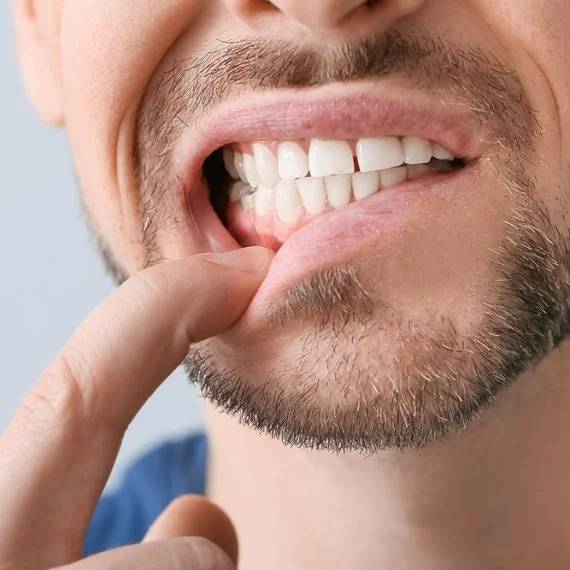
The most reliable early sign is bleeding during brushing or flossing. Healthy gums do not bleed, so pink in the sink deserves attention. Additionally, watch for these clues:
- Redness or swelling along the gumline rather than a firm, pale-pink edge.
- Persistent bad breath that survives brushing and mouthwash.
- Tenderness when you eat crunchy foods or apply gentle pressure.
- Receding gums that make teeth suddenly look longer.
These symptoms point to gingivitis, the reversible first stage. However, ignoring them allows the condition to progress toward periodontitis, which affects the bone that anchors your teeth.
Advanced Warning Signs You Should Never Ignore
When gum disease deepens, the signals grow harder to overlook. Teeth may feel loose or shift when you bite. Furthermore, pockets can form between the gum and tooth, trapping bacteria out of a toothbrush’s reach. You might also notice pus, a change in how your bite fits together, or gums that pull noticeably away from the roots. At this stage, professional periodontal care becomes essential to protect your smile.
How We Treat Gum Disease in Mt. Brydges
Treatment always starts with an accurate assessment using digital imaging and a careful periodontal exam. For early cases, professional teeth cleaning and scaling and root planing remove hardened tartar below the gumline. Consequently, inflamed tissue can heal and reattach. For more advanced situations, our team offers gingivectomy, gum grafts, and gum contouring to restore both health and appearance. Because we keep periodontics, restorative care, and sedation options under one roof, your entire treatment stays coordinated in a single, familiar office. You can review our full range on our services page.
Prevention That Fits a Family Schedule
Preventing gum disease is refreshingly simple and remarkably effective. Brush twice daily, floss once, and book regular exams and cleanings. Additionally, fluoride treatments and sealants help younger family members guard against decay that often accompanies gum problems. According to the Canadian Dental Association, daily plaque removal remains the single most important habit for healthy gums. Moreover, the Ontario Dental Association recommends professional cleanings on a schedule tailored to your individual risk. Pairing home care with routine visits keeps small issues from becoming big ones.
Refresh Your Smile This Season
Recognizing the signs of gum disease early truly changes the outcome. If your gums bleed, look puffy, or feel tender, do not wait for the discomfort to fade on its own. Instead, let our compassionate team assess your gum health and build a plan around your life. As a practice guided by CDA and ODA standards and proud to accept the Canadian Dental Care Plan, we make quality care accessible for Mt. Brydges families. Ready for a fresh start? Contact Mt. Brydges Family Dental today to schedule your visit.
Frequently Asked Questions
What is the very first sign of gum disease?
Bleeding gums during brushing or flossing is usually the first sign. Healthy gums stay firm and do not bleed. Therefore, any pink in the sink warrants a professional check.
Can gum disease be reversed?
Yes, the earliest stage called gingivitis is fully reversible. With professional cleaning and consistent home care, inflamed gums typically heal. However, advanced periodontitis can be managed but not completely reversed.
Why should athletes pay extra attention to their gums?
Contact sports increase the risk of impact injuries and grinding, which stress gum tissue. A custom night guard protects both teeth and gums. Consequently, protective gear plus good hygiene keeps young athletes safer.
How often should I visit for gum health in Mt. Brydges?
Most patients benefit from a cleaning and exam every six months. However, those with a history of gum disease may need more frequent visits. Our team tailors your schedule to your personal risk.