
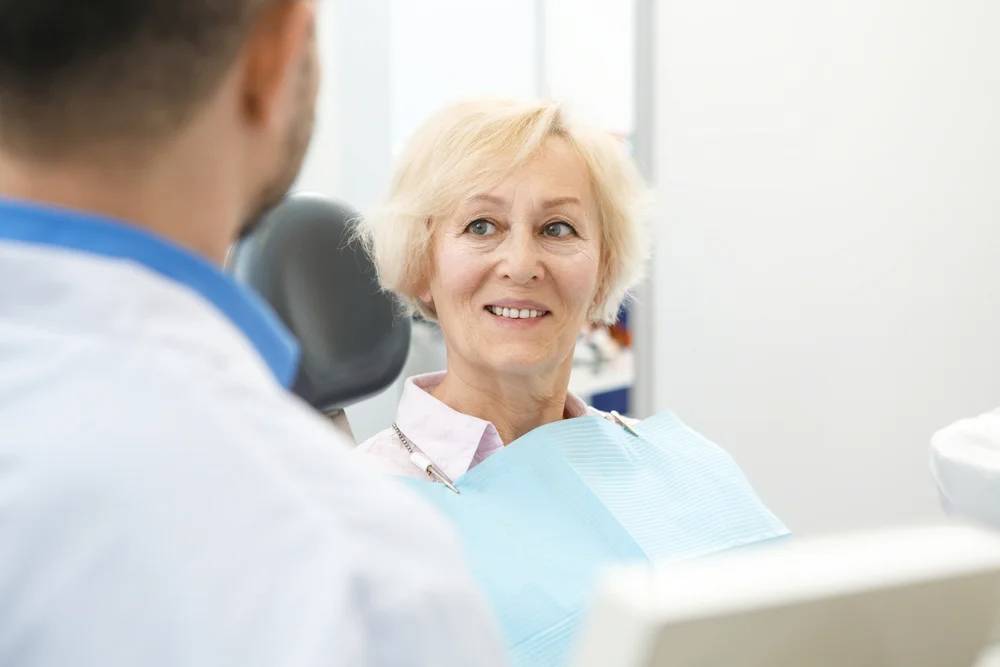
Your mouth changes dramatically between the ages of five and eighty-five. Furthermore, the risks it faces change too. A thorough oral cancer screening in Mt. Brydges, ON looks for different things depending on your age, and understanding those differences helps you protect your smile for decades. At Mt. Brydges Family Dental, our team tailors each check to the patient in the chair, whether that patient is a curious kindergartner or a great-grandparent.
What an Oral Cancer Screening Looks For at Every Age
An oral cancer screening is a short examination of the soft tissues inside and around your mouth. Specifically, your dentist inspects your lips, cheeks, tongue, gums, and throat for unusual patches, lumps, or sores. Additionally, they gently feel your neck and jaw for changes. The process adds only minutes to a regular visit, yet it carries real weight.
According to the Canadian Dental Association, oral cancer can develop in anyone, which is why routine checks matter across the lifespan. However, the specific concerns shift as we age. Below, we break down what screening means for each stage of life.
Children and Teens: Building Habits That Protect a Lifetime
Oral cancer is rare in children, so screening at this age focuses on education and establishing a baseline. Nevertheless, the dentist still examines young mouths carefully during every checkup. Specifically, they note normal tissue appearance so future changes are easy to spot.
These early visits matter for another reason. Teenagers increasingly experiment with vaping and tobacco, and a systematic review in the Journal of Dental Research noted a rising trend of oral cancer affecting younger adults. Consequently, honest conversations about tobacco and alcohol start here. Our dentists use these appointments to explain how daily choices shape long-term preventive dental health.
Why the Teen Years Set the Tone
Habits formed in adolescence often last for decades. Therefore, teaching teens to recognize a persistent sore or unusual patch gives them a skill they will use for life. Additionally, pairing screenings with cleanings keeps young patients comfortable with the dental chair.
Adults: Maintenance When Risk Starts to Climb
For working-age adults, oral cancer screening becomes genuinely protective. Specifically, risk factors like tobacco use, alcohol, sun exposure, and HPV become more relevant. The Ontario Dental Association notes that early detection significantly improves outcomes, and adults are the group most likely to benefit from consistent monitoring.
A narrative review in the International Journal of Environmental Research and Public Health emphasized that oral cancer is largely preventable, because most risk factors involve behaviors we can change. Consequently, your regular checkup becomes a chance to review habits and catch early tissue changes. Busy adults sometimes skip appointments, yet this is precisely the decade when a two-minute screening pays off most.
Fitting Screenings Into a Busy Life
Adults juggle careers, children, and aging parents. However, combining an oral cancer screening with a routine cleaning and exam means no extra visit. At our Mt. Brydges practice, we build the screening right into your appointment, so prevention never feels like a chore.
Seniors: Preserving Smile Longevity in Later Years
The majority of oral cancers are diagnosed in older adults, which makes screening especially valuable for seniors. Furthermore, years of cumulative sun and tobacco exposure raise the stakes. Regular oral cancer screenings in Mt. Brydges, ON give seniors the earliest possible warning.
Denture wearers need particular attention. A denture can hide a sore or irritated spot, so our dentists examine the tissue beneath carefully. Additionally, dry mouth from medications can mask or mimic early symptoms. For seniors maintaining dentures or other restorations, consistent screening protects both comfort and health.
Screening and Overall Health After 60
Oral health connects to overall wellness, and the mouth often shows the first signs of broader problems. Consequently, a thorough screening supports more than just smile longevity. It becomes part of comprehensive care that keeps seniors eating, speaking, and smiling with confidence.
What Happens If Something Is Found
Most findings turn out to be harmless, such as a cheek bite or a canker sore. However, if a spot looks suspicious, your dentist will recommend monitoring it or referring you for further evaluation. Research published in Surgical Oncology Clinics of North America confirms that early-stage oral cancer is far more treatable than advanced disease. Therefore, prompt follow-up matters enormously.
Frequently Asked Questions
How often should I get an oral cancer screening?
Most people benefit from a screening at every routine checkup, typically twice a year. However, if you use tobacco or have other risk factors, your dentist may suggest closer monitoring.
Does an oral cancer screening hurt?
No, the screening is completely painless. Specifically, your dentist looks at and gently feels the soft tissues in and around your mouth, which takes only a few minutes.
At what age should oral cancer screenings begin?
Dentists examine soft tissues at every age, even in childhood. However, screenings become increasingly important for adults and seniors, when risk naturally rises.
Can children get oral cancer?
It is very rare in children. Nevertheless, early checkups establish a healthy baseline and teach lifelong habits that reduce future risk.
Book Your Screening in Mt. Brydges
Prevention works best when it is consistent, and every age group gains something from a thorough check. Whether you are booking a first visit for your child or protecting a senior’s smile, our team is ready to help. Contact Mt. Brydges Family Dental today to schedule a screening built around your stage of life.
Sources & References
- Canadian Dental Association, “Oral Cancer”
- Ontario Dental Association, “Oral Cancer”
- Oral Cancer Screening: Past, Present, and Future (J Dent Res, 2021)
- Oral Cancer and Precancer: A Narrative Review on the Relevance of Early Diagnosis (Int J Environ Res Public Health, 2020)
- Cancer of the oral cavity (Surg Oncol Clin N Am, 2015)